July 3, 2026
Commercial buildings are rapidly shifting toward smarter, more efficient, and more secure infrastructure, with entry systems playing a central role in that transformation; modern upgrades now go beyond appearance, directly impacting safety, energy efficiency, and long-term operating costs, while hollow metal doors are widely used across offices, healthcare facilities, warehouses, and retail spaces because they offer durability and adaptable performance. At the same time, commercial priorities are evolving to include technology integration and energy-saving design, with facility managers increasingly focused on reducing maintenance needs while improving access control and environmental efficiency, and metal doors often serve as the foundation for these improvements due to their compatibility with modern hardware and smart systems. As demand continues to grow, manufacturers are introducing enhanced features that align with sustainability and security standards, positioning metal doors as a core component of modernization strategies focused on resilience, efficiency, and cost control without requiring full system replacement.
1. Enhancing Security
Security remains the primary reason commercial buildings invest in upgraded entry systems, and layered protection is now the standard approach. Reinforced frames, advanced locking mechanisms, and controlled entry points all work together to reduce vulnerabilities. When properly configured, hollow metal doors create a strong first line of defense that supports both physical safety and operational control.
Modern security layering often includes electronic access systems, which allow businesses to manage entry permissions in real time. This reduces reliance on traditional keys and improves accountability across departments. In high-traffic environments, these systems help prevent unauthorized access while maintaining smooth workflow efficiency.
In more advanced installations, metal doors are integrated into broader building management systems that track entry activity and provide instant alerts. This level of oversight helps organizations respond quickly to unusual behavior or security breaches. As a result, businesses gain both preventative protection and reactive capabilities within a single system.
2. Integrating Access Control
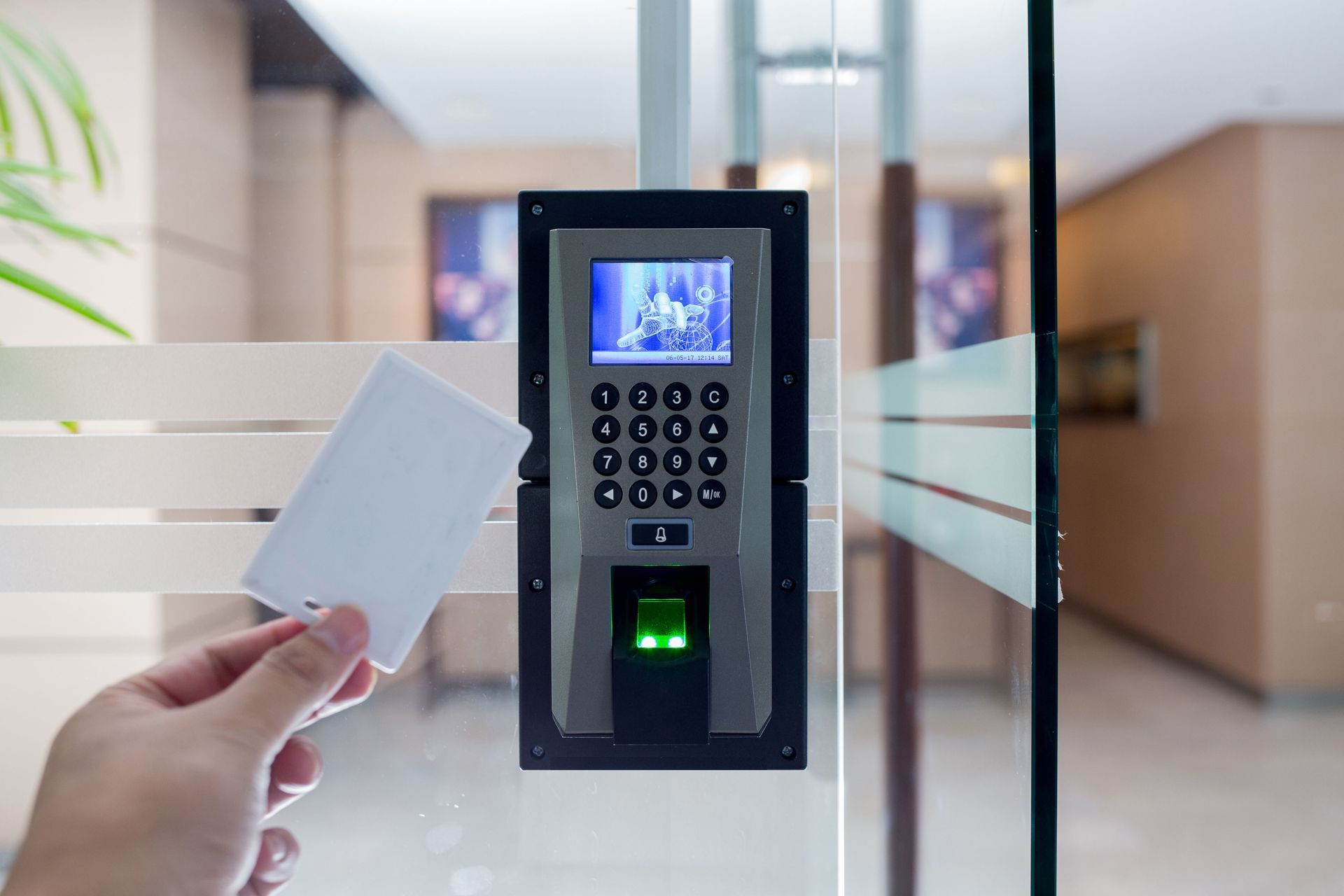
Access control technology has transformed how commercial spaces regulate movement throughout a building. Instead of static locks, businesses now rely on credential-based systems such as key cards, mobile access, and biometric scanners. These tools allow precise control over who can enter specific areas at any time.
When paired with hollow metal doors, access control systems become significantly more effective due to the structural reliability of the door material. This combination supports high-security zones such as server rooms, medical storage areas, and administrative offices. It also helps reduce administrative overhead by automating access permissions.
Integration with cloud-based platforms allows facility managers to update credentials instantly across multiple entry points. This is especially useful for organizations with rotating staff or multiple locations. In many cases, metal doors serve as the preferred base because they support a wide range of hardware without compromising durability or performance.
3. Implementing Alarm Monitoring Systems
Alarm monitoring systems are a critical upgrade for businesses that require real-time threat detection. These systems can identify forced entry, tampering, or unauthorized access attempts and immediately notify security teams. This rapid response capability helps minimize damage and improves overall building safety.
When integrated with hollow metal doors, alarm systems benefit from stable mounting surfaces and secure framing, which enhances detection accuracy. This reduces false alarms and ensures that alerts are triggered only when necessary. Security teams can then respond with greater confidence and efficiency.
Modern alarm systems are also designed to connect with mobile devices and centralized dashboards. This allows building managers to monitor multiple entry points simultaneously, even when off-site. Metal doors play an important role in ensuring these systems function reliably under daily operational stress.
4. Installing Surveillance Enhancing Technologies
Surveillance integration has become a standard expectation in commercial security planning. Cameras positioned at entry points provide continuous monitoring and valuable incident documentation. These systems deter unauthorized activity while supporting investigations when issues occur.
In many modern buildings, hollow metal doors are fitted with surveillance components such as camera mounts or embedded monitoring devices. This placement ensures clear visibility of entry and exit activity without obstructing daily use. The result is a more controlled and transparent access environment.
Advanced surveillance systems can also use motion analytics and AI-driven detection to identify unusual behavior patterns. This helps security teams focus on genuine threats rather than routine movement. Metal doors provide a stable foundation for these technologies, ensuring consistent performance in high-traffic environments.
5. Detecting Fire Safeguarding and Response
Fire safety is a critical requirement in all commercial properties, and modern door systems now include integrated detection features. Smoke sensors and heat detection units can trigger automated responses that support evacuation and containment efforts. These systems play a vital role in minimizing risk to occupants and property.
When combined with metal doors, fire detection systems benefit from materials designed to withstand high temperatures and maintain structural integrity. This allows doors to function as protective barriers during emergencies. In many cases, they automatically close to prevent the spread of smoke and flames.
These upgrades also help businesses meet regulatory compliance standards more efficiently. Insurance providers may also recognize reduced risk levels when advanced fire detection systems are installed. Hollow metal doors are frequently selected for these applications due to their proven performance in emergency conditions.
A recent industry analysis, according to USD Analytics, indicates that the global doors and windows market is expected to rise significantly from approximately $223.9 billion in 2025 to around $353.3 billion by 2034. This growth is largely attributed to increasing demand for energy-efficient systems, smart building integration, and renovation activity across both commercial and residential sectors. The trend reflects a broader shift toward intelligent infrastructure and upgraded building components.
6. Improving Thermal Insulating Performance
Energy efficiency has become a top priority for commercial building design, particularly as operational costs continue to rise. One of the most effective improvements is enhancing thermal insulation at entry points. Proper insulation reduces heat transfer and supports more stable indoor temperatures throughout the year.
Hollow metal doors equipped with insulated cores help limit energy loss and reduce strain on HVAC systems. This leads to measurable cost savings over time while also supporting sustainability initiatives. Facilities benefit from improved comfort without increasing energy consumption.
Additional features such as weather sealing and reinforced framing further enhance thermal performance. These upgrades help prevent drafts and maintain consistent climate control across different zones of a building. As a result, businesses can operate more efficiently while reducing environmental impact.
7. Optimizing Climate Controlling Efficiency
Climate control systems are increasingly integrated with door technologies to improve building-wide efficiency. Sensors can detect temperature changes and adjust HVAC output accordingly. This creates a more responsive and cost-effective environmental management system.
When metal doors are part of this system, they help maintain airtight conditions that support stable indoor climates. This reduces energy waste caused by air leakage or inefficient sealing. In high-traffic buildings, this consistency becomes especially important for maintaining comfort and performance standards.
Smart climate systems can also analyze usage patterns to optimize energy distribution throughout the day. This ensures that heating and cooling resources are only used when necessary. Hollow metal doors contribute to this efficiency by supporting controlled airflow and reducing unnecessary energy loss.
Commercial door systems are no longer simple entry points; they are integrated components of security, energy management, and operational efficiency. Upgrading them with modern technologies enhances both performance and long-term value. Businesses that invest in these improvements position themselves for stronger resilience and lower operating costs.
As building standards continue to evolve, metal doors remain a practical foundation for scalable upgrades across industries. Their adaptability supports a wide range of systems, from security to climate control, making them a strategic choice for modern facilities. To upgrade your commercial entry systems with expert solutions and dependable installation, contact Bryans Road Doors & Glass LLC.