August 1, 2026
Commercial buildings serve as hubs of activity where employees, clients, and visitors come and go throughout the day. Managing this constant flow of individuals requires a careful approach to managing entryways and perimeter defense. Striking the right balance between strict safety protocols and seamless building access can be a complex puzzle for property managers. When a facility is too restrictive, regular operations slow to a crawl, creating frustration for everyone involved. Conversely, a system that prioritizes convenience above all else leaves vulnerabilities that unauthorized individuals can easily exploit. Achieving the proper equilibrium involves understanding how different mechanical and electronic systems work together to keep people safe while keeping business moving.
Assessing Vulnerabilities and Customizing Entrance Security
The foundation of any solid operational defense strategy begins with a professional security hardware installation that addresses the specific weak points of a building. Every property has unique traffic patterns and vulnerabilities that require tailored solutions rather than a generic approach. Retail storefronts need welcoming entrance options that still secure completely after hours, while corporate offices often require layered restriction zones. Selecting the right combination of locks, exit devices, and frames determines how well a facility functions under normal conditions and how securely it locks down when a threat arises. Working with experienced technicians ensures that every component is properly aligned and integrated into the structure for long-term reliability.
Understanding the Role of Traditional Mechanical Locking Systems
Traditional mechanical locking mechanisms continue to be a vital component of structural protection, offering dependable reliability without relying on electrical power. Heavy-duty deadbolts, mortise locks, and cylindrical locks provide the physical strength needed to resist unauthorized entry at critical exterior and interior access points. A comprehensive security hardware installation often relies on these physical barriers to establish a strong baseline of defense. These components are designed to withstand significant physical stress and high-volume usage over many years. When properly specified and fitted to commercial-grade doors, high-quality mechanical locks create an imposing barrier that deters opportunistic intruders and keeps assets secure.
Enhancing Flexibility With Electronic Entry Solutions
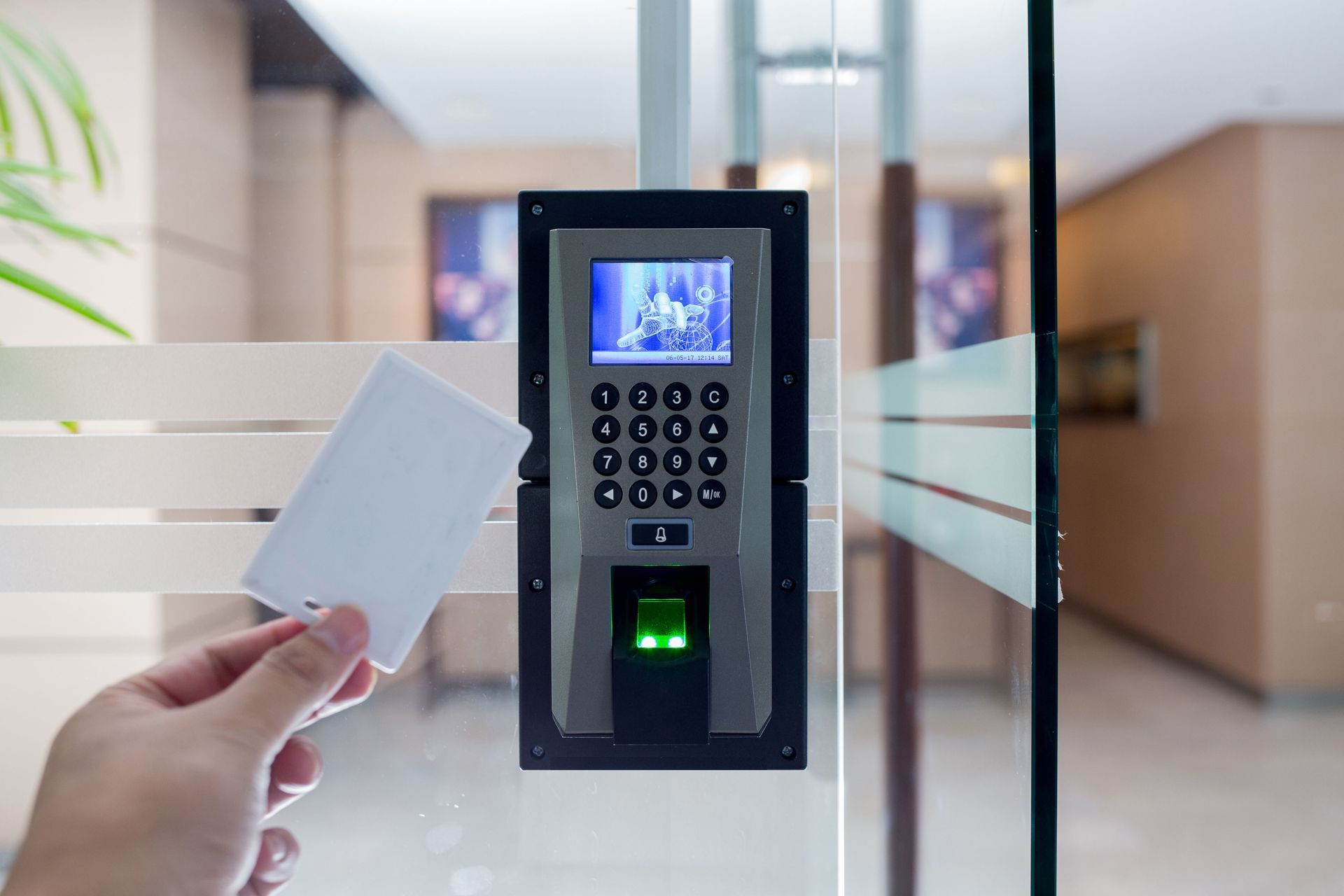
While mechanical options offer great physical resistance, modern facilities often require the flexibility and tracking capabilities provided by electronic entry solutions. Electronic keypads, card readers, and proximity sensors allow managers to grant or revoke entry privileges instantly without the need to rekey physical cylinders. Incorporating these technologies into a commercial security hardware installation gives administrators unprecedented control over who enters the building and when. This setup eliminates the widespread risks associated with lost or stolen physical keys, which can compromise an entire facility in an instant. Electronic systems also generate detailed audit trails, providing valuable data on traffic patterns and unauthorized entry attempts.
Centralizing Control and Automating Facility Access
Integrating these electronic components with automated access control systems allows for centralized management across multiple entryways or even separate facilities. Property managers can schedule specific doors to unlock automatically during regular business hours and lock down precisely at closing time. A centralized security hardware installation makes it simple to handle employee turnover or shift changes by updating user permissions in a digital database. If an emergency occurs, an administrator can execute a facility-wide lockdown with a single command from a main workstation. This level of responsiveness is essential for safeguarding large workforces and protecting high-value assets around the clock.
Meeting Life Safety Regulations and Emergency Egress Standards
Life safety regulations place strict requirements on how buildings handle emergency egress, meaning that locking systems can never trap occupants inside during a crisis. Panic bars and crash hardware are designed to allow immediate, unhindered exit whenever pressure is applied to the horizontal bar. Ensuring that these exit devices comply with local building codes and accessibility guidelines is a critical aspect of a professional security hardware installation. These mechanisms must operate flawlessly even during power outages or structural shifts caused by fire or extreme weather. Balancing the outward flow of panicked occupants with the need to prevent inward entry by bad actors requires professional, code-compliant equipment.
Reinforcing Structural Openings Against Forceful Entry
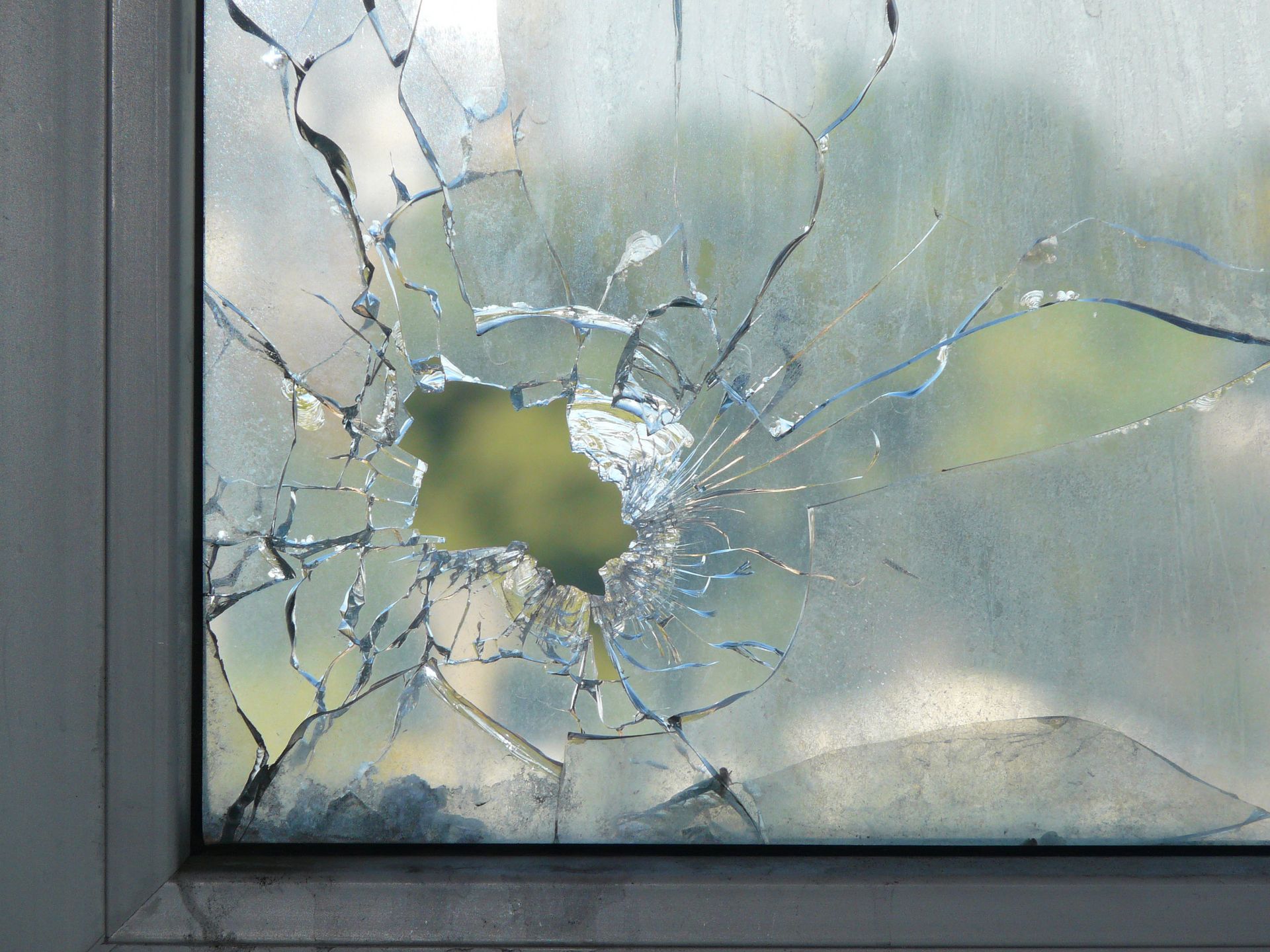
The physical strength of any locking mechanism is completely dependent on the durability of the door and frame surrounding it. High-security locks mounted on flimsy frames or hollow doors can be easily bypassed by determined intruders using brute force. A complete security hardware installation frequently involves reinforcing heavy-duty hollow metal doors and steel frames to ensure they can withstand substantial impacts. According to the FBI’s Uniform Crime Reporting (UCR) Program, 95% of burglaries involve a forceful entry, which means physical damage to your property. This statistic highlights the absolute necessity of installing rugged physical barriers that refuse to buckle under intense pressure.
Maintaining System Integrity With Heavy-Duty Secondary Components
Continuous hinges, heavy-duty door closers, and protective latch guards are secondary components that play a massive role in maintaining structural integrity over time. Standard hinges can sag under the immense weight of commercial steel or thick glass doors, leading to misalignment that prevents locks from latching correctly. Addressing these wear-and-tear issues during a security hardware installation prevents subtle alignment shifts that leave a door vulnerable to being pried open. Latch guards cover the visible gap between the door and the frame, blocking pry bars from slipping in to manipulate the latch bolt. Properly functioning door closers ensure that entryways snap shut firmly behind every person, preventing accidental tailgating.
Securing Glass Storefronts Without Sacrificing Curb Appeal
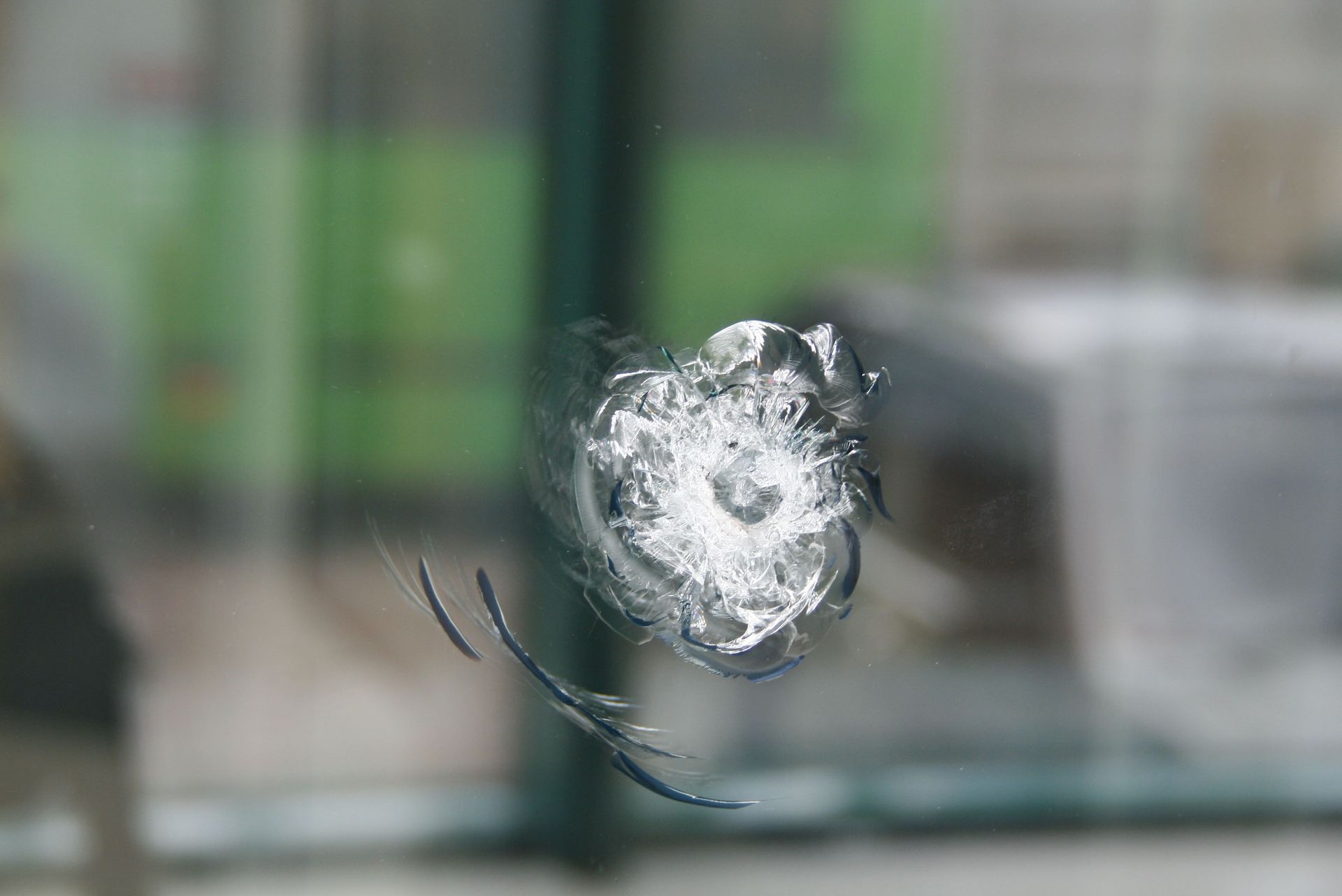
Glass storefronts require a unique approach to protection because they must remain visually appealing and transparent while resisting smash-and-grab attempts. Implementing narrow-stile aluminum locks, hook bolts, and armored strike plates allows business owners to protect glass entrances without ruining the aesthetic appeal of their property. A storefront security hardware installation focuses on reinforcing the bottom and top rails where intruders often attempt to leverage the door open. Combining these physical locking mechanisms with impact-resistant glazing or security films creates a formidable barrier that slows down intruders and protects inventory from quick theft attempts.
Enduring Intensive Demand in High-Traffic Commercial Environments
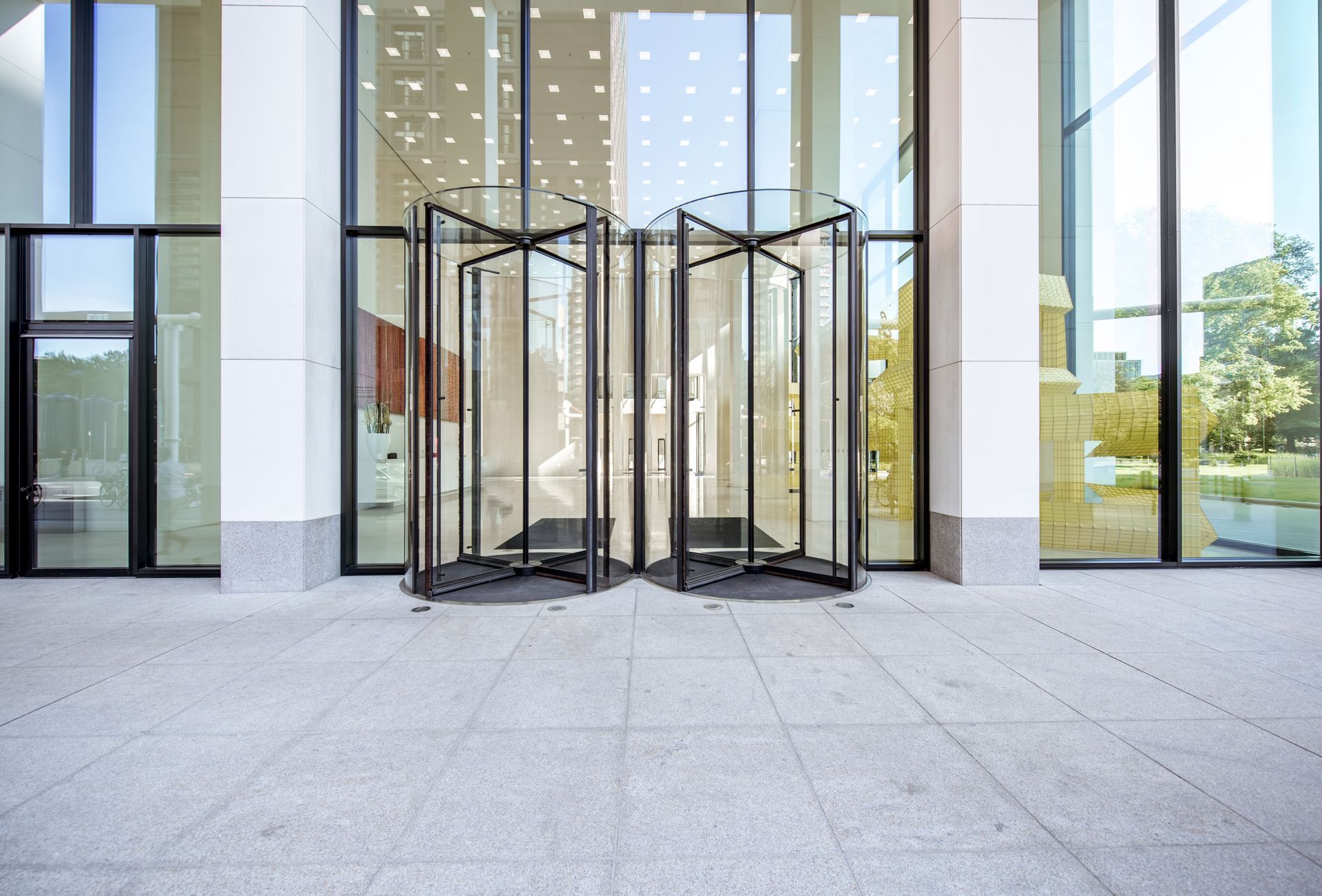
High-traffic environments like hospitals, schools, and major retail centers place extreme physical demands on entry components, causing standard equipment to fail prematurely. Grade 1 certified hardware is specifically engineered to endure millions of opening and closing cycles without losing its structural integrity. Prioritizing commercial-grade components during a security hardware installation minimizes operational downtime and reduces the ongoing costs associated with constant repairs. Regular maintenance assessments by trained experts help identify hidden component fatigue before it leads to a total mechanical failure or an unexpected security breach. Keeping high-traffic entryways in peak condition keeps daily operations moving smoothly and safely.
Implementing a Holistic Long-Term Asset Protection Plan
The long-term success of any asset protection strategy relies on a comprehensive approach that blends physical barriers, electronic tracking, and routine professional servicing. Neglecting any of these elements creates weak points that experienced criminals can identify and exploit to gain unauthorized entry. Investing in a meticulous security hardware installation guarantees that all pieces of the protection puzzle fit together perfectly and perform reliably under pressure. Properties that maintain high-quality physical defenses experience fewer successful breaches and benefit from lower operational risks over time. Keeping a close eye on the condition of your entryways is an essential practice for protecting your people and your business investments.
Sustaining the perfect balance between convenient daily access and unyielding building security requires a proactive commitment to upgrading and maintaining your entry infrastructure. As operational demands change and external threats grow more sophisticated, older locking mechanisms can quickly become liabilities. Ensuring the safety of your staff, visitors, and valuable physical assets starts with scheduling a comprehensive review of your current entryway setups. For reliable, code-compliant upgrades and expert assessments tailored to your specific commercial facility, reach out to Bryans Road Doors & Glass LLC to reinforce your perimeter today.