May 22, 2026
Security concerns drive many business owners to look into advanced protective measures. Unfortunately, a vast amount of misinformation circulates regarding high-security building materials. Understanding the actual capabilities of these specialized installations remains essential for anyone looking to upgrade corporate structural security and achieve peace of mind. A factual evaluation of security hardware helps debunk prevalent myths before any commercial project begins.
Believing That Glass Is Entirely Bulletproof
Many facility managers assume that specialized security glass can stop an infinite number of rounds without ever failing. This misunderstanding stems largely from Hollywood movies where shields and windows withstand continuous, heavy gunfire without breaking. In reality, no material is completely impervious to sustained ballistic attacks, which is why experts prefer accurate industry terminology over cinematic exaggerations. A realistic assessment of material limits prevents dangerous assumptions during a critical situation.
The products available on the market are designed to resist a specific number of impacts from designated weapon calibers. They buy time for occupants to react or for law enforcement to arrive at the scene. According to Grand View Research, the worldwide bulletproof glass market reached USD 8.22 billion in 2023. This massive market growth highlights a global demand for materials engineered to delay entry and absorb ballistic energy. Rising awareness of modern defensive technologies continues to fuel global production and engineering advancements.
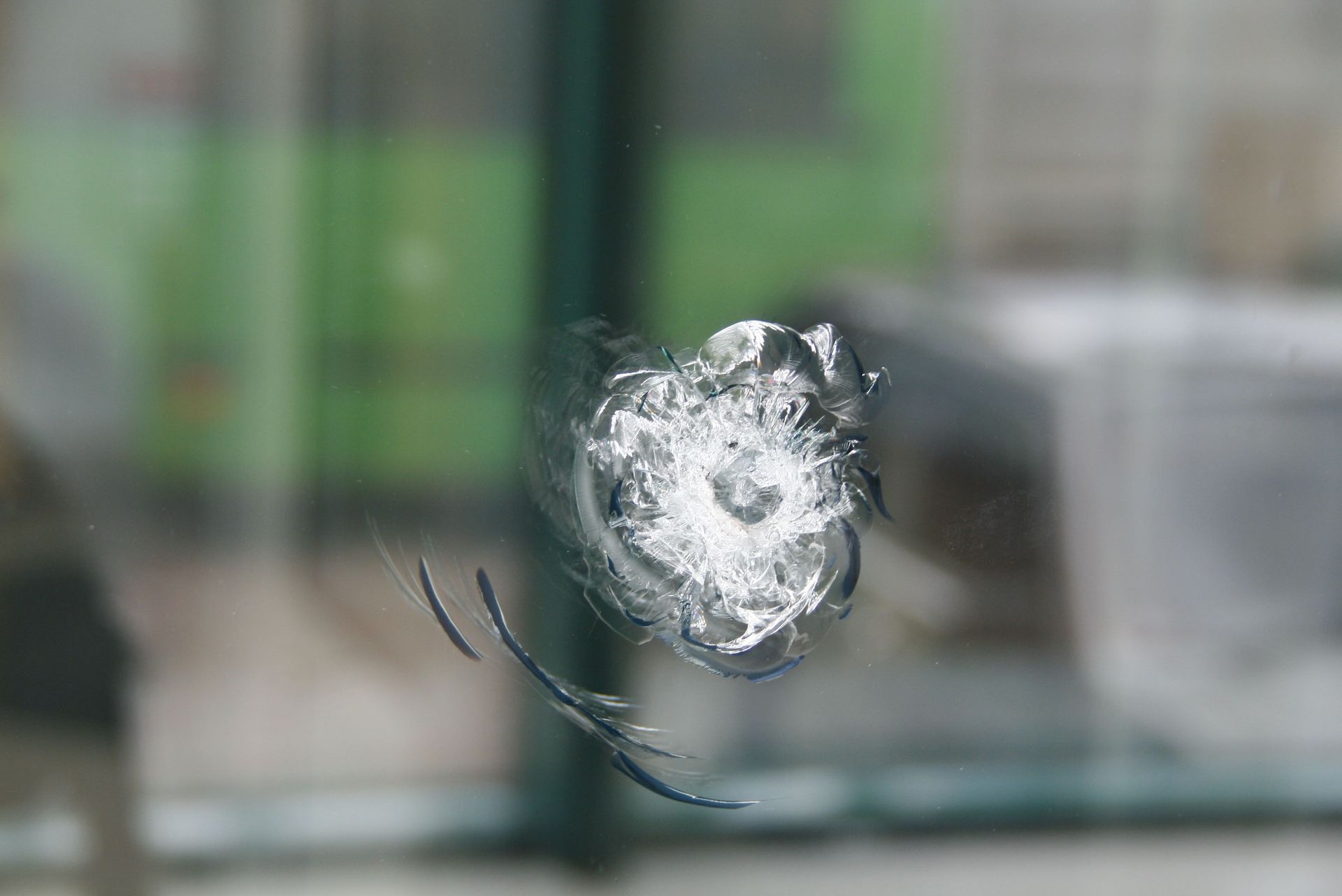
When a projectile hits a high-security window, the material deforms and shatters internally to dissipate the kinetic energy of the bullet. The outer layers might crack extensively while the inner layers catch the fragments. Recognizing this reality helps corporate property owners make informed decisions when selecting bullet resistant doors and windows for their specific environmental risks. Accurate technical specifications guide buyers toward practical options tailored to actual localized threats.
Assuming That Heavy Protection Ruins Aesthetics
Another frequent concern is that installing high-security barriers will make a commercial building look like a fortress or a prison. Business owners often worry that thick glass and heavy frames will deter customers by creating a cold, unwelcoming environment. This fear causes many people to delay necessary security upgrades because they value visual appeal. Striking a balance between corporate style and safety represents a major priority for commercial properties.
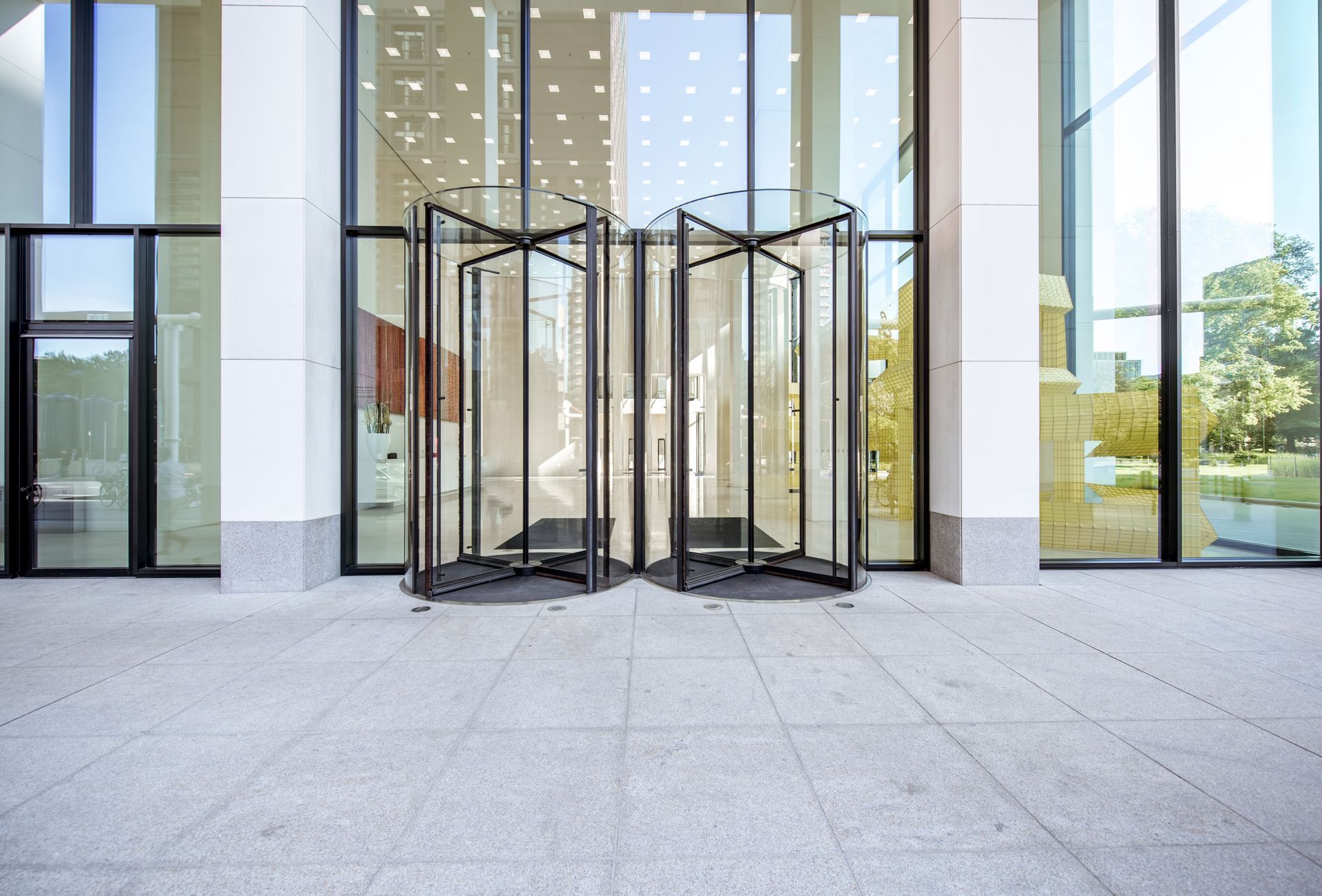
Modern manufacturing techniques have completely changed the design possibilities for high-security installations. Current technology allows for slim profiles, clean lines, and crystal-clear glass that looks identical to standard commercial glazing. It is entirely possible to maintain an elegant, welcoming storefront or a professional corporate facade while maintaining elite defense capabilities. Advanced engineering keeps protective glazing visually indistinguishable from standard storefront glass.
Engineered security solutions now integrate seamlessly into various architectural styles, including historical corporate headquarters and minimalist modern designs. Frames can be finished in custom colors, anodized coatings, or metallic veneers to match existing commercial decor perfectly. Choosing to install bullet resistant doors and windows no longer requires a compromise between visual elegance and robust physical protection. High-end businesses can maintain their original brand character without sacrificing baseline structural fortification.
Thinking That Only Windows Need Ballistic Ratings
A common mistake in commercial building security planning is focusing exclusively on the glass elements of a structure. Property owners frequently invest heavily in reinforced windows while leaving the surrounding walls and entryways vulnerable. Ballistic threats will find the easiest path, making a partial upgrade highly ineffective during an actual security event. An isolated approach to building security creates a deceptive environment of false confidence.
A comprehensive security strategy requires looking at the entire entryway system as a single unit. A reinforced glass pane does very little good if the frame, hinges, and lock mechanisms fail under pressure. Ballistic energy transfers through the entire structure upon impact, meaning every component must be rated to handle the same level of force. Weak joints can cause an otherwise sturdy piece of glass to fail. Locking mechanisms and strike plates must also feature heavy-duty compositions to prevent structural detachment during a forced entry attempt.
Furthermore, reinforced glass must be paired with armored framing systems and reinforced wall interfaces to prevent complete structural failure. True security relies on a balanced approach where every single point of commercial entry matches the defensive capability of the next. Comprehensive bullet resistant doors and windows work together to eliminate weak points that intruders could exploit. Fortifying neighboring wall spaces completes the defensive envelope required for absolute safety.
Expecting That All Ratings Offer Identical Security
Many buyers mistakenly believe that a ballistic rating is a simple pass or fail standard. They assume that if a product has a security label, it will protect against every type of firearm threat. This dangerous assumption can lead to a false sense of safety and inadequate protection against high-powered weaponry. Different retail and corporate environments require vastly different levels of resistance based on risk assessments.
The Underwriters Laboratories standard categorizes ballistic resistance into distinct levels based on weapon types and ammunition. Level 1 protection is designed to withstand small handguns, whereas Level 3 handles higher-velocity handguns often used in street crime. High-level ratings, such as Level 8, are engineered to stop multiple rounds from military-grade assault rifles. Testing laboratories subject these components to extreme stress to determine precise performance boundaries.
Matching the specific rating to the local threat matrix is crucial for achieving effective security. Implementing the wrong level of protection can leave a commercial facility exposed to advanced threats or lead to unnecessary structural reinforcement costs. Evaluating specific environmental risks helps managers select the precise level of bullet resistant doors and windows required. Proper classification ensures that materials perform reliably against the exact threats they anticipate.
Presuming That Standard Contractors Can Handle Installation
Some property owners believe that any experienced local carpenter or traditional glazing company can install high-security fixtures. They view the process as a simple matter of swapping out old glass and hanging a new entrance door. This assumption overlooks the complicated engineering and precise tolerances required for ballistic materials to function correctly. Specialty hardware demands a deep understanding of weight distribution and advanced physics.
Ballistic framing systems are incredibly heavy and require specialized structural anchoring to distribute weight safely. Incorrect fastening techniques can cause the framing to buckle, warp, or pull away from the wall during an attack. Standard anchoring hardware will shear under the intense pressure of ballistic impacts, rendering the entire system useless. Standard building fasteners lack the tensile strength to endure sudden kinetic transfers.
Professional installation teams utilize specialized tools and follow strict manufacturer protocols to maintain the validity of the ballistic certification. Proper alignment prevents gaps where projectiles or tools could slip through the frame. Entrusting the installation of bullet resistant doors and windows to certified specialists guarantees the system performs exactly as designed during a crisis. Experienced technicians make certain that every locking mechanism aligns perfectly for smooth operation.
It's important to separate facts from fiction to make the best choices for your commercial property. Recognizing that these systems blend into modern architecture, require complete structural integration, and rely on precise ballistic ratings allows for smart planning. Investing in bullet resistant doors and windows provides a reliable layer of defense for valuable assets. Learning accurate information leads to safer buildings and superior long-term architectural upgrades. Contact the professionals at Bryans Road Doors & Glass LLC today to schedule a comprehensive assessment for your facility's structural security upgrades.