October 13, 2025
In an increasingly uncertain world, the demand for effective security solutions is growing rapidly. Threats, both perceived and real, necessitate enhancements in building security across various environments. Bullet-resistant doors and windows have emerged as crucial components in strengthening infrastructures against potential attacks, significantly improving safety for occupants and assets alike.
The Importance of Security in Modern Architecture
Heightened Security Concerns
The modern world presents numerous security challenges, prompting a need for enhanced protection measures. Threats such as terrorism, active shooter incidents, and vandalism contribute to growing security concerns in many societies. As part of this heightened awareness, building designs increasingly incorporate features to mitigate potential risks. Consequently, incorporating security aspects into architectural practice is no longer optional but a necessity. Bullet-resistant doors and windows play a pivotal role in addressing these safety concerns.
Integrating Security in Building Design
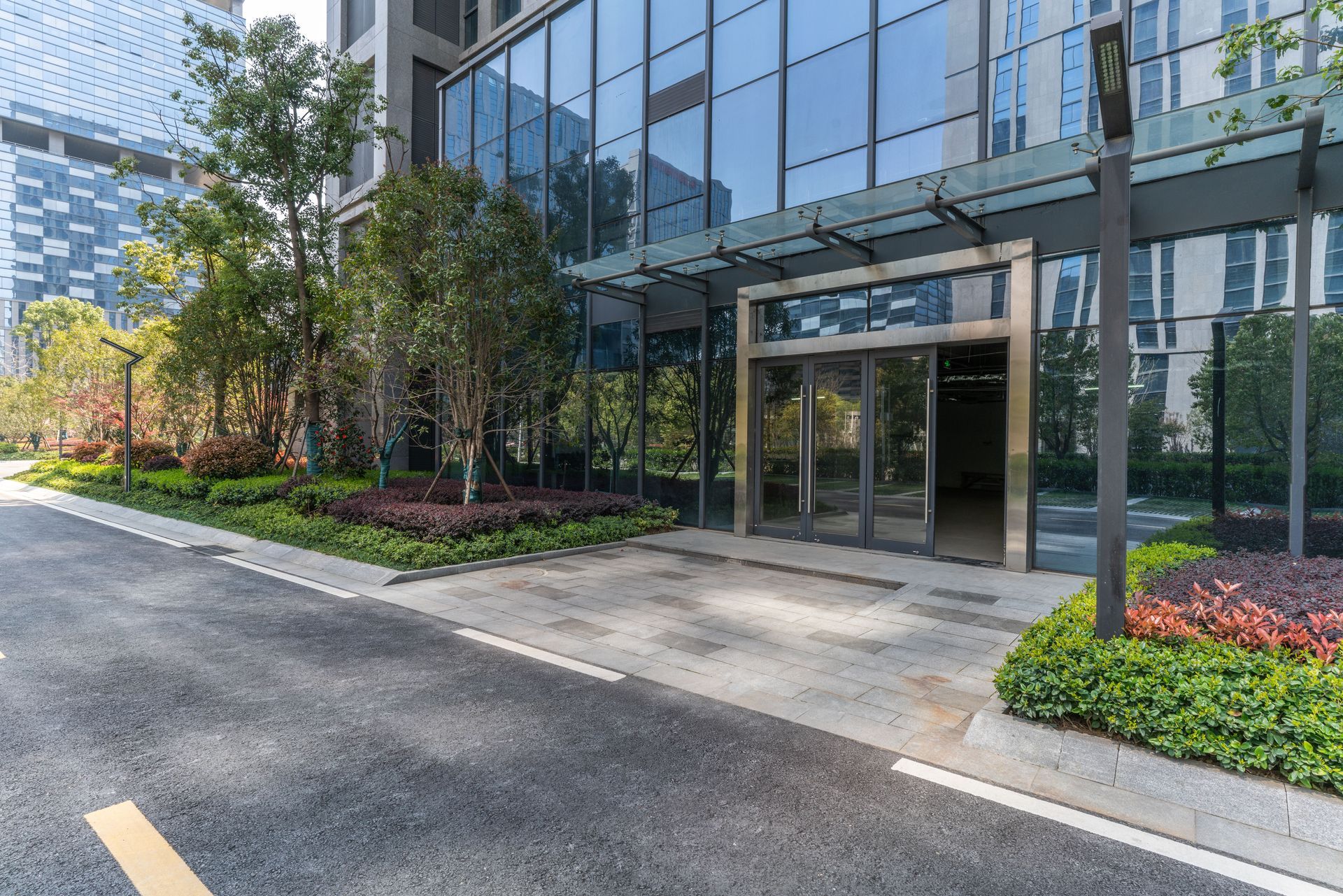
Architects and planners are tasked with the dual responsibility of creating structures that are both aesthetically pleasing and secure. Integration of security features must be seamless to ensure that overall building design is not compromised. Bullet-resistant materials are available in a variety of finishes, allowing them to blend with the current architectural style. By strategically placing bullet-resistant elements, designers can enhance a building's resilience without impacting its visual appeal. The design process increasingly views security as an integral component rather than an afterthought.
Role of Bullet-Resistant Features
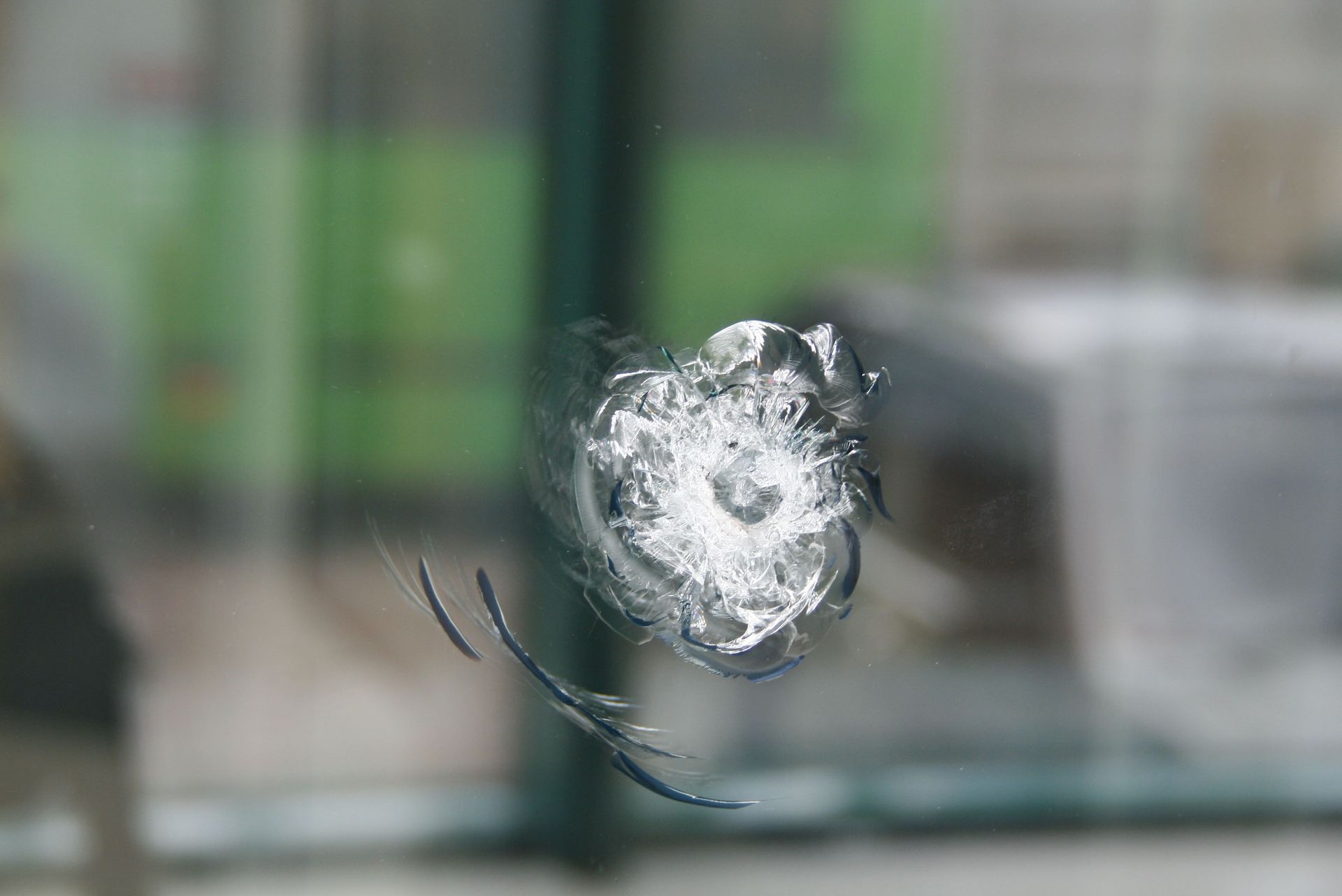
Bullet-resistant doors and windows form a critical line of defense in protecting occupants from potential attacks. These features serve as barriers to various types of ballistic threats, providing safety and peace of mind to those within. They are designed to absorb and effectively disperse the impact energy of any projectiles, thus preventing penetration. When incorporated into building plans, they offer comprehensive protection that significantly upgrades the overall security level of a facility. As security threats evolve, these features remain crucial in reinforcing the safety infrastructure of modern buildings.
Balancing Aesthetics and Safety
A key challenge in modern architecture is balancing safety measures with aesthetic considerations. Bullet-resistant features can be elegantly integrated into building designs, ensuring that appearances are not sacrificed for security. Contemporary advances in material technology have enabled the creation of transparent bullet-resistant windows and doors that maintain clarity and elegance. These options allow for natural light to penetrate interiors while simultaneously enhancing security. For designers, achieving this balance is crucial in creating spaces that are both functional and beautiful.
Long-term Economic Benefits
Investing in bullet-resistant features can yield significant long-term economic benefits for building owners. Enhanced security can lead to reductions in insurance premiums, owing to the decreased risk of property damage. Moreover, the durability and low-maintenance nature of these products result in cost efficiencies over their lifespan. According to Freedoniagroup.com, demand for windows and doors will increase 1.7% per year to 153.7 million units in 2028, with value growth to $50.8 billion, illustrating growing recognition of these features' benefits. Such economics encourage widespread adoption across sectors.
Anatomy of Bullet-Resistant Doors and Windows
Materials Used in Production
The production of bullet-resistant doors and windows relies on advanced materials that combine strength with resilience. Laminated glass, polycarbonate, and advanced ceramics are among the materials commonly utilized. These materials are engineered to withstand significant force while preventing penetration and maintaining structural integrity. Each material is selected based on specific performance criteria, such as transparency, weight, and flexibility. The optimal choice often involves a combination of materials to meet diverse security needs.
The Manufacturing Process
The manufacturing process for bullet-resistant doors and windows involves several stages to ensure optimal performance. Initially, raw materials are processed and layered to create a composite structure capable of defeating ballistic threats. This involves meticulous lamination techniques to bind layers together securely. The products undergo rigorous quality control at various stages to ensure compliance with standards. Ultimately, the manufacturing process is geared towards producing durable products that meet the highest security specifications.
Thickness and Layering Essentials
The thickness and layering of materials in bullet-resistant products are crucial in defining their performance characteristics. Layering involves combining multiple sheets of glass or polycarbonate, separated by interlayer materials that absorb impact energy. The thickness of each layer is tailored according to the level of resistance required, with thicker configurations providing greater protection. This multi-layered approach is key to preventing penetration while maintaining the structural integrity of the door or window. By adjusting these parameters, manufacturers can produce a range of products to suit varying security needs.
Testing Standards and Certifications
Bullet-resistant doors and windows undergo rigorous testing to ensure they meet established safety standards. Organizations such as Underwriters Laboratories (UL) have developed testing protocols to assess product performance against ballistic threats. Certification is contingent upon passing stringent ballistic testing, which simulates real-world scenarios to verify resistance capabilities. Adherence to these standards is crucial in guaranteeing product reliability and effectiveness. Certified products provide assurance to consumers, affirming their capability to protect against high-impact threats.
Different Levels of Bullet Resistance
Bullet-resistant products are classified into different levels based on their ability to withstand ballistic impact. These levels are determined by factors such as projectile caliber, velocity, and impact energy. By aligning product features with threat assessments, consumers can select the appropriate level of bullet resistance for their specific needs. Higher levels offer protection against more powerful arms, providing necessary safety for high-risk environments. It's critical for consumers to understand these classifications when selecting bullet-resistant solutions to ensure adequate protection.
Advantages of Bullet-Resistant Products
Enhanced Personal and Property Safety
Bullet-resistant doors and windows provide enhanced safety for individuals and property, shielding against potential threats. In environments susceptible to violence or crime, these products are indispensable in safeguarding lives and assets. The robust construction of bullet-resistant features provides a secure barrier that ensures personal safety during critical incidents. Their presence is essential in areas where security risks are heightened, providing indomitable protection. This increased safety is a primary driver in the adoption of bullet-resistant solutions across various sectors.
Deterrence of Criminal Activity
The visible presence of bullet-resistant doors and windows serves as a deterrent to criminal activities. Potential offenders are less likely to target buildings equipped with such formidable security measures, reducing incidents of violence and theft. By minimizing criminal intentions, these features contribute to maintaining a safe environment for occupants and visitors. The psychological impact of knowing a building is fortified with bullet-resistant barriers provides an additional layer of defense. This deterrent effect is a crucial advantage in areas prone to security breaches.
Increased Insurance Benefits
Insurance companies recognize the value of enhanced security features, such as bullet-resistant doors and windows. Buildings equipped with these products may qualify for reduced premiums due to lower risk profiles. The durable and reinforced nature of bullet-resistant constructions acts as a preventive measure, mitigating potential claims. As security measures become a priority, owners stand to benefit from favorable insurance conditions. These financial incentives encourage the adoption of bullet-resistant solutions as a strategic investment in safety.
Long-term Durability and Maintenance
Bullet-resistant doors and windows are engineered to provide lasting performance with minimal maintenance requirements. Manufactured using high-quality materials, these products are resistant to wear and degradation over time. This durability translates to cost savings for building owners, as maintenance expenses are significantly reduced over the lifespan of the products. Routine inspections to ensure functionality are often sufficient, safeguarding the initial investment. The longevity of bullet-resistant solutions makes them an economically sound choice for security-conscious consumers.
In conclusion, bullet-resistant doors and windows represent a critical enhancement to modern safety and security measures. Their integration into building design addresses complex threats while maintaining aesthetic balance and performance objectives. As the demand for effective security continues to grow, ongoing innovation and strategic adaptation will ensure these solutions remain at the forefront of protection strategies in addressing future challenges. Looking for
bullet resistant doors and windows
? Call Bryans Rd Doors & Glass LLC today!